How to Research a Phrase Origin Without Repeating a Myth
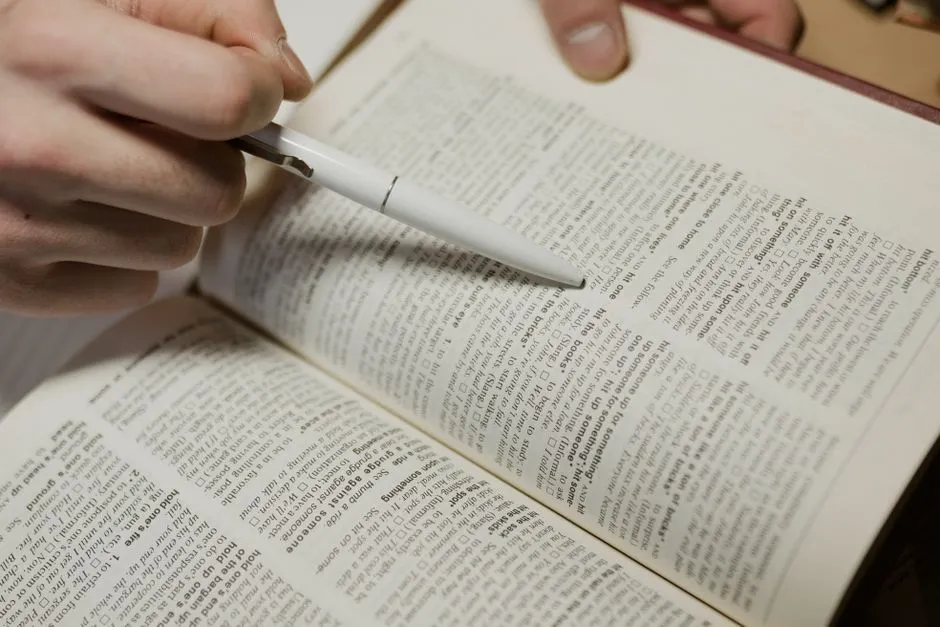
Begin with the claim you are testing
“Where did this phrase come from?” can hide several questions: What is its earliest surviving use? When did its current meaning appear? Was it first spoken in a trade, region, book, performance, or advertisement? Did one person coin it, or did they merely write an early example that survived?
Write the claim narrowly: “I want the earliest dated example I can verify of this wording used with this meaning.” That is researchable. “A sailor invented it during a storm” is a story in search of paperwork.
Fix the wording and meaning
Record the exact phrase, spelling variants, older forms, singular and plural, and possible word-order changes. Then define the meaning you are tracing. The same words may appear literally long before they become an idiom.
Search the quoted phrase, but also search key word pairs and variants. Optical character recognition in scanned material can misread type, punctuation, or broken lines, so a missing search result is not proof of absence.
Explore more methods in Word Origins.
Work backward through dated evidence
Begin with a reputable modern reference for leads, then move to the documents it cites. Search dated books, newspapers, magazines, letters, court material, trade publications, scripts, and regional records that suit the phrase. Open the original scan or reliable transcription whenever possible.
For each example, record publication title, date, page, exact wording, surrounding paragraph, and a stable link or archive identifier. The context shows whether the phrase carries the meaning you need. A search snippet is an invitation to inspect, not a source that has completed the assignment.
Separate first found from first used
Your oldest verified example is the earliest you found, not automatically the first anyone said or wrote. Printed language often follows speech, and many records were never created, preserved, digitized, or indexed.
Use careful wording: “The phrase appears in a 1912 advertisement” is stronger than “The phrase was invented in 1912.” An individual can be credited with coining only when evidence supports creation, not merely an early surviving appearance.
Test the famous story
Break a popular origin tale into checkable parts. Did the alleged person live at the right time? Did the object, law, occupation, or technology exist in the described form? Does the phrase appear earlier? Do contemporary sources connect the wording to the story, or does that explanation arrive decades later?
Plausibility is not documentation. Many explanations feel satisfying because they make the modern wording literal. Language does not owe us a tiny historical play in three acts.
Follow citations all the way down
When an article cites a dictionary, which cites an older book, open the book. Check page, edition, date, and context. Secondary sources can summarize well, but repeated summaries may all descend from one unsupported claim.
Do not name an organization or scholar as support unless you have opened the exact work and confirmed that it says what you attribute. A real URL does not make a stretched paraphrase accurate.
Report uncertainty as a result
If the evidence supports several possibilities, say so. Distinguish documented facts, reasonable inference, disputed claims, and folklore. Include the search limits: languages, archives, date ranges, spelling variants, and inaccessible sources.
Before publishing, ask another reader to follow the citations and verify the wording. Apply the same clarity when you replace vague office phrases. The honest ending may be “origin unknown.” That is not research failing; it is research refusing to rent a costume and perform certainty.